

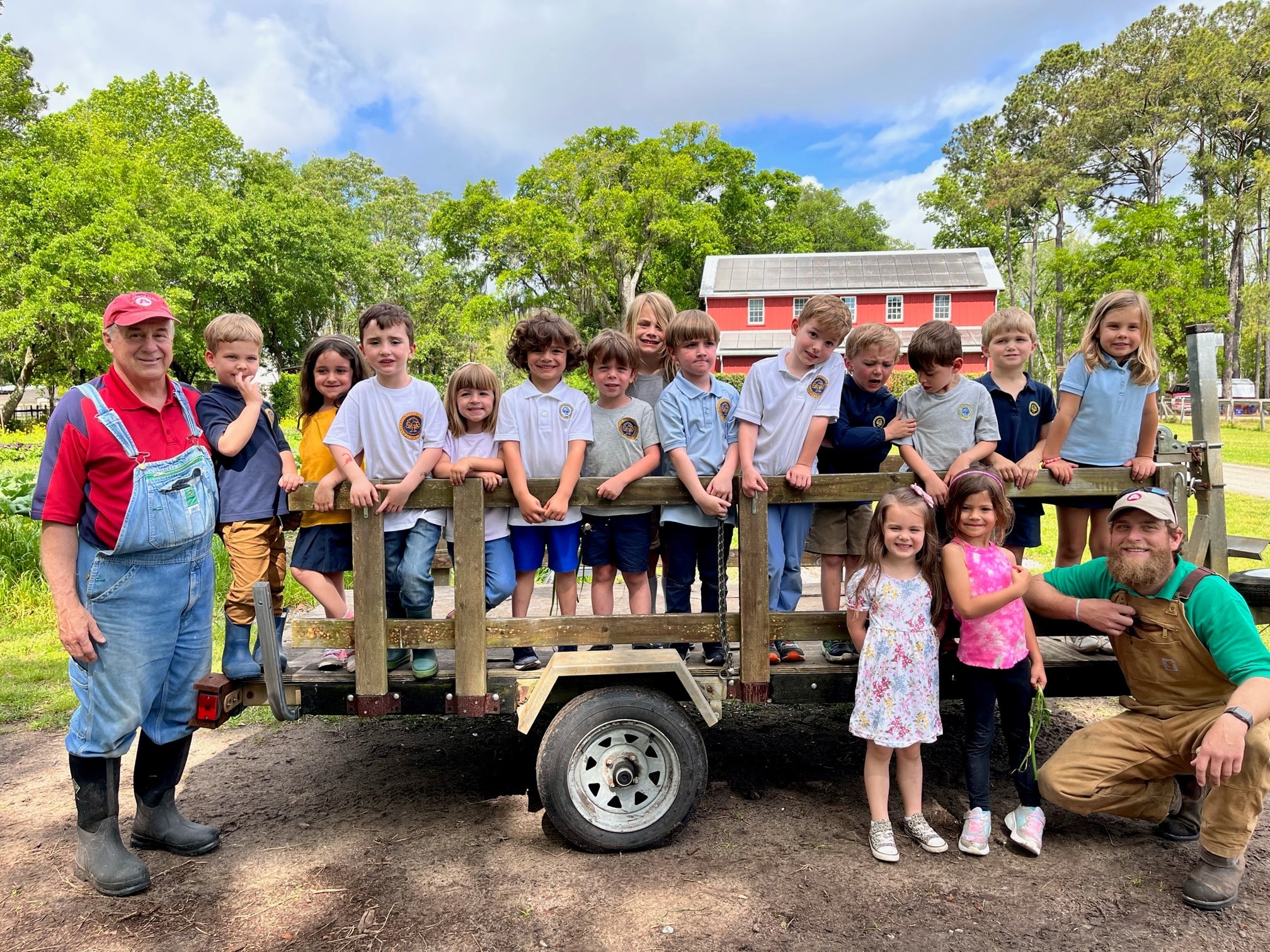
Learning Comes Alive Outside the Classroom
Educational experiences don’t have to be limited to books, worksheets, or screens. Stepping onto a working farm offers students and group members a chance to learn through observation, interaction, and real-world context. The sights, sounds, and routines of a farm naturally spark curiosity and encourage questions that deepen understanding.
At Full Circle Farm, visits are designed to complement what students are already learning while introducing them to new ideas in a memorable way. Whether the group includes young children or older students, being surrounded by animals, crops, and open space creates an environment where learning feels active rather than abstract.
What Educational Farm Tours Offer
Educational farm tours provide hands-on opportunities that help concepts stick. Instead of hearing about agriculture, food systems, or animal care in theory, participants see these ideas in action. From understanding how plants grow to learning how animals are cared for daily, the farm becomes a living classroom.
These tours are structured to be engaging without feeling overwhelming. Activities encourage participation, observation, and discussion, allowing students to connect lessons to real experiences. Educational farm tours also support different learning styles, making them especially effective for groups with varied ages and abilities.
Designed for Schools and Church Groups
Farm visits work especially well for schools and church groups because they encourage shared learning and collaboration. Students can ask questions together, explore new environments, and reflect on what they observe as a group. This shared experience often strengthens connections and opens the door for meaningful conversations afterward.
At Full Circle Farm, visits are approached with flexibility and care. The goal is to create a welcoming atmosphere where groups feel comfortable exploring at an appropriate pace. Leaders and teachers are supported throughout the visit, ensuring the experience aligns with educational goals and group needs.
Encouraging Curiosity and Responsibility
One of the most valuable aspects of a farm visit is how naturally it encourages responsibility and awareness. Seeing how animals depend on daily care or how crops rely on soil and water helps students understand cause and effect in a tangible way. These lessons often leave a lasting impression.
Students also gain a better appreciation for where food comes from and the effort involved in producing it. This awareness can inspire healthier choices, respect for nature, and a stronger connection to the environment. Educational experiences like this help bridge the gap between daily life and the systems that support it.
A Meaningful Experience Close to Home
For schools and church groups in Johns Island, SC and surrounding communities, visiting a local farm offers the added benefit of connecting learning to familiar surroundings. Seeing agriculture in their own region helps students understand how local land, climate, and community all play a role in food production and stewardship.
Local visits also make it easier to build ongoing relationships. Returning students may notice changes across seasons, reinforcing lessons about growth, cycles, and responsibility. These repeated connections deepen understanding and make learning feel relevant.
Creating Lessons That Last
Educational farm visits often stay with students long after the day ends. The sensory experience of being on a farm—touching soil, observing animals, and participating in activities—helps lessons feel real and memorable. These moments often spark continued interest and discussion back in the classroom or within group settings.
At Full Circle Farm, educational farm tours are about more than a single visit. They are about creating meaningful learning experiences that connect people to food, land, and community. For groups spending time in Johns Island, SC, the farm offers a place where education feels engaging, grounded, and lasting.